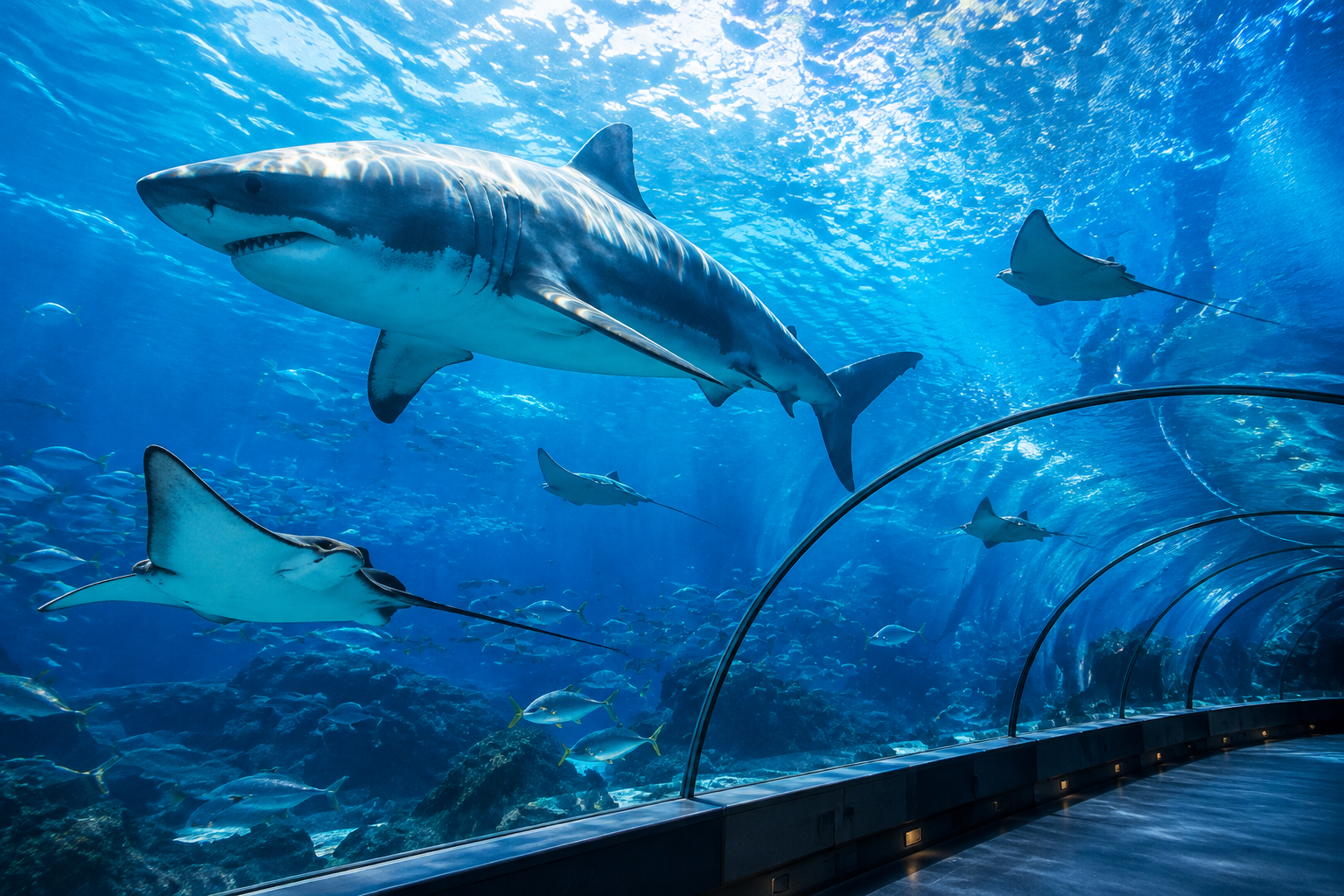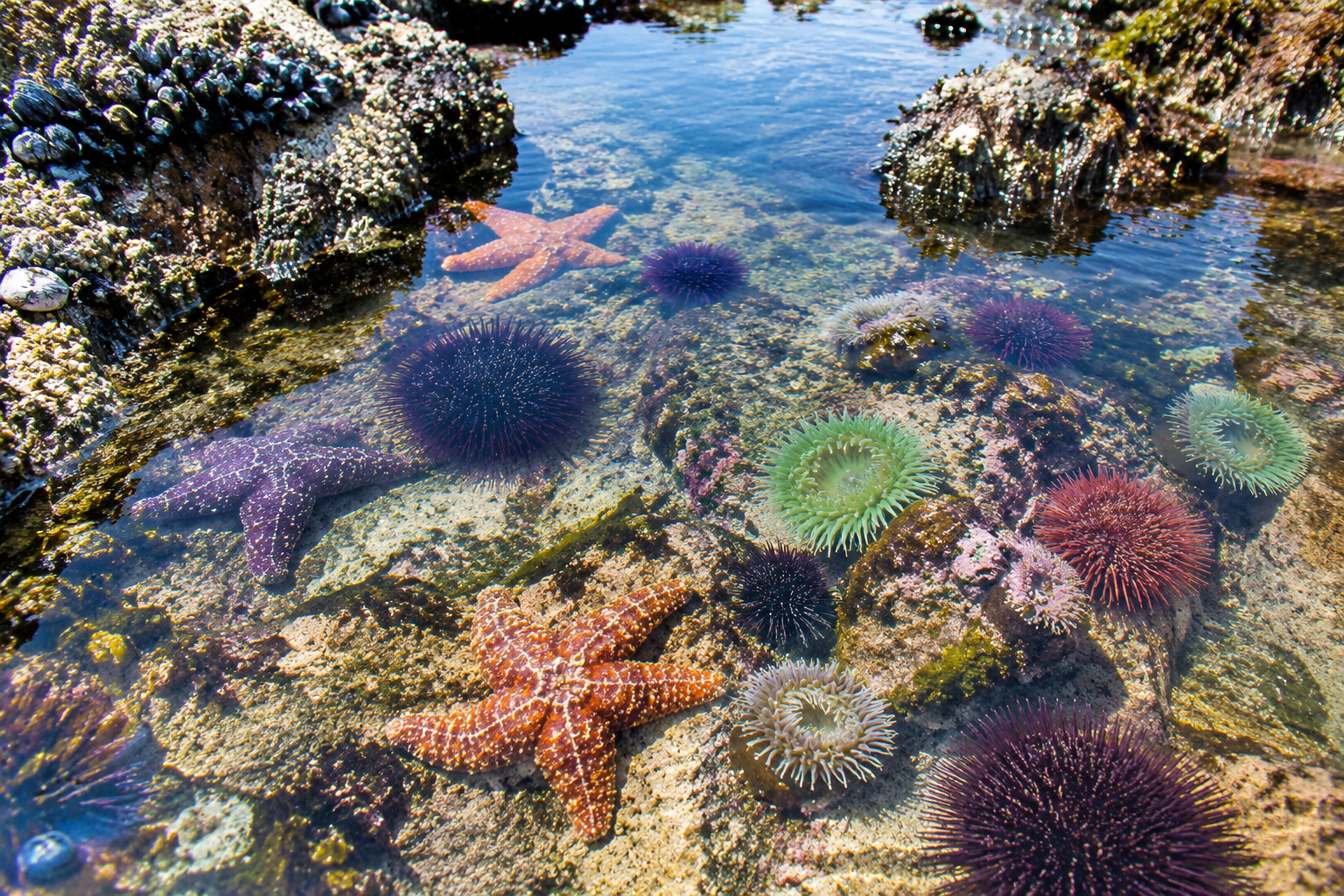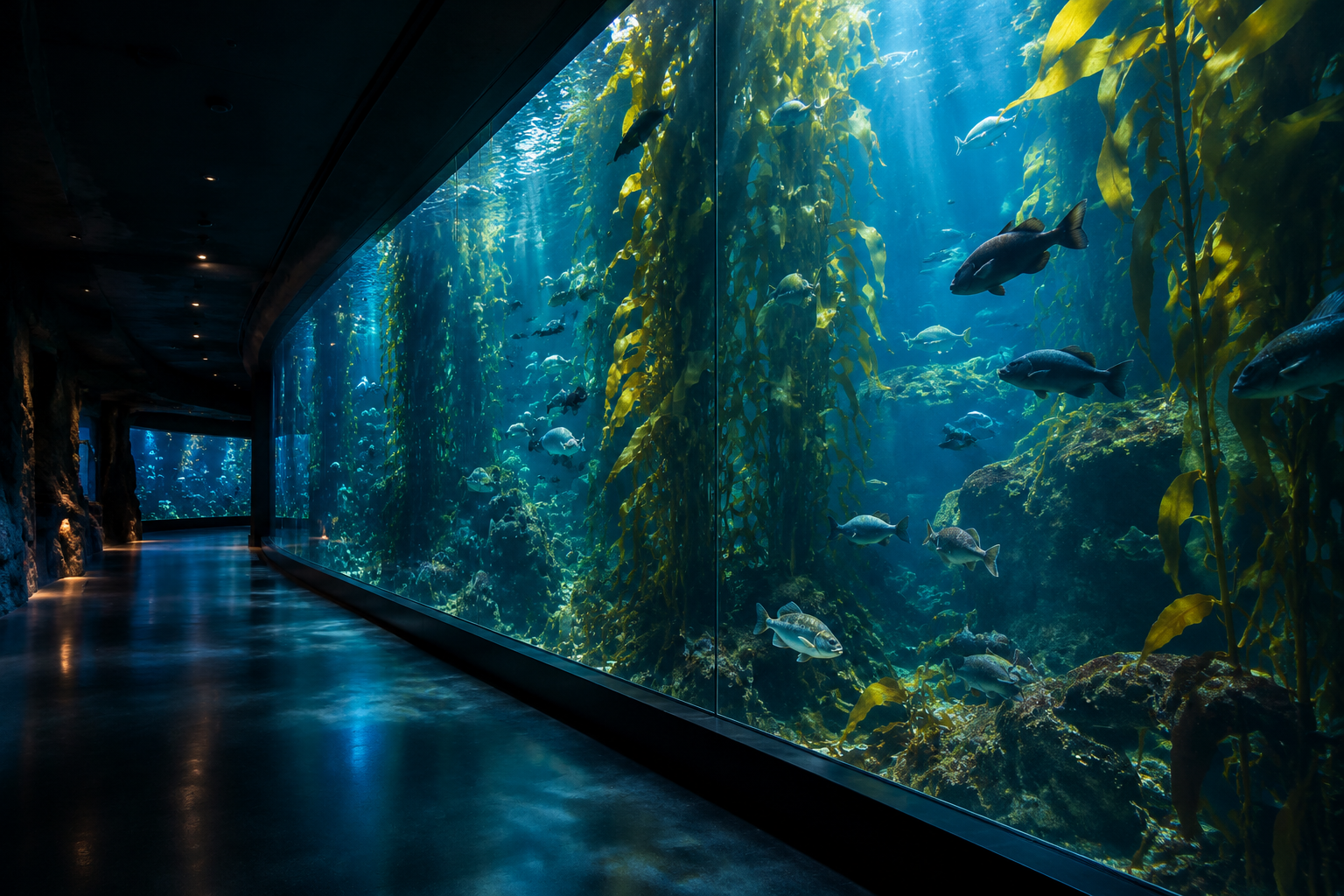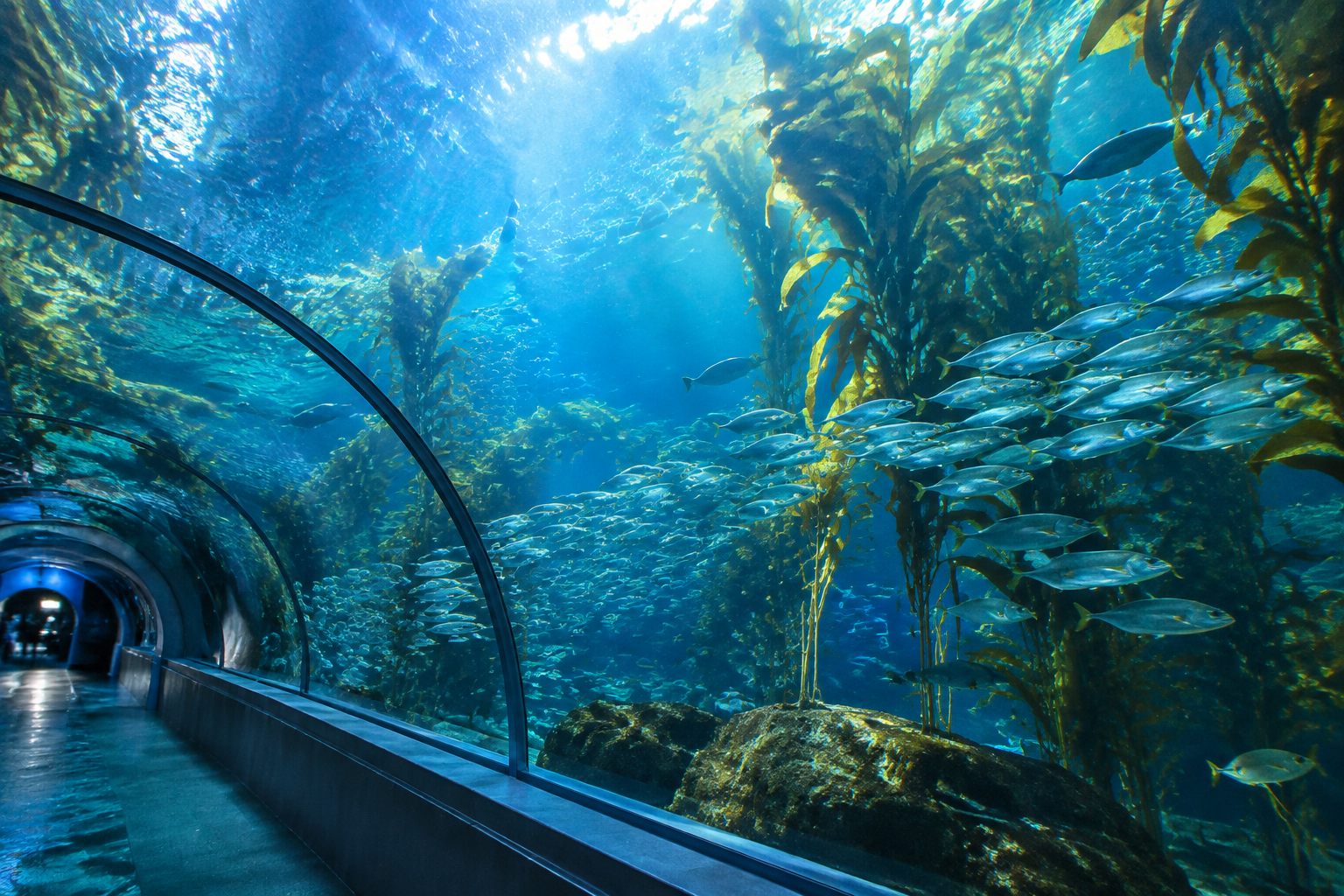
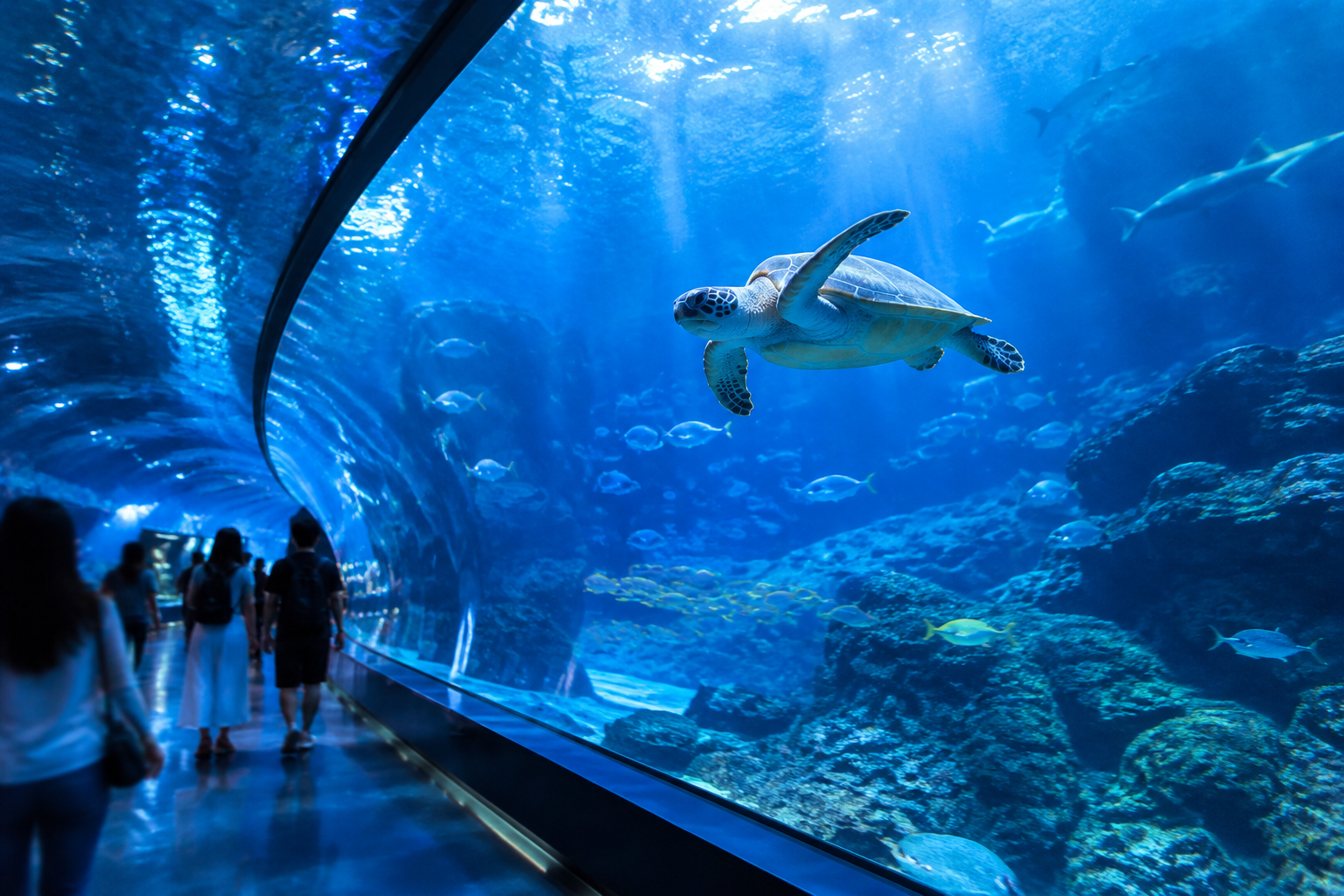
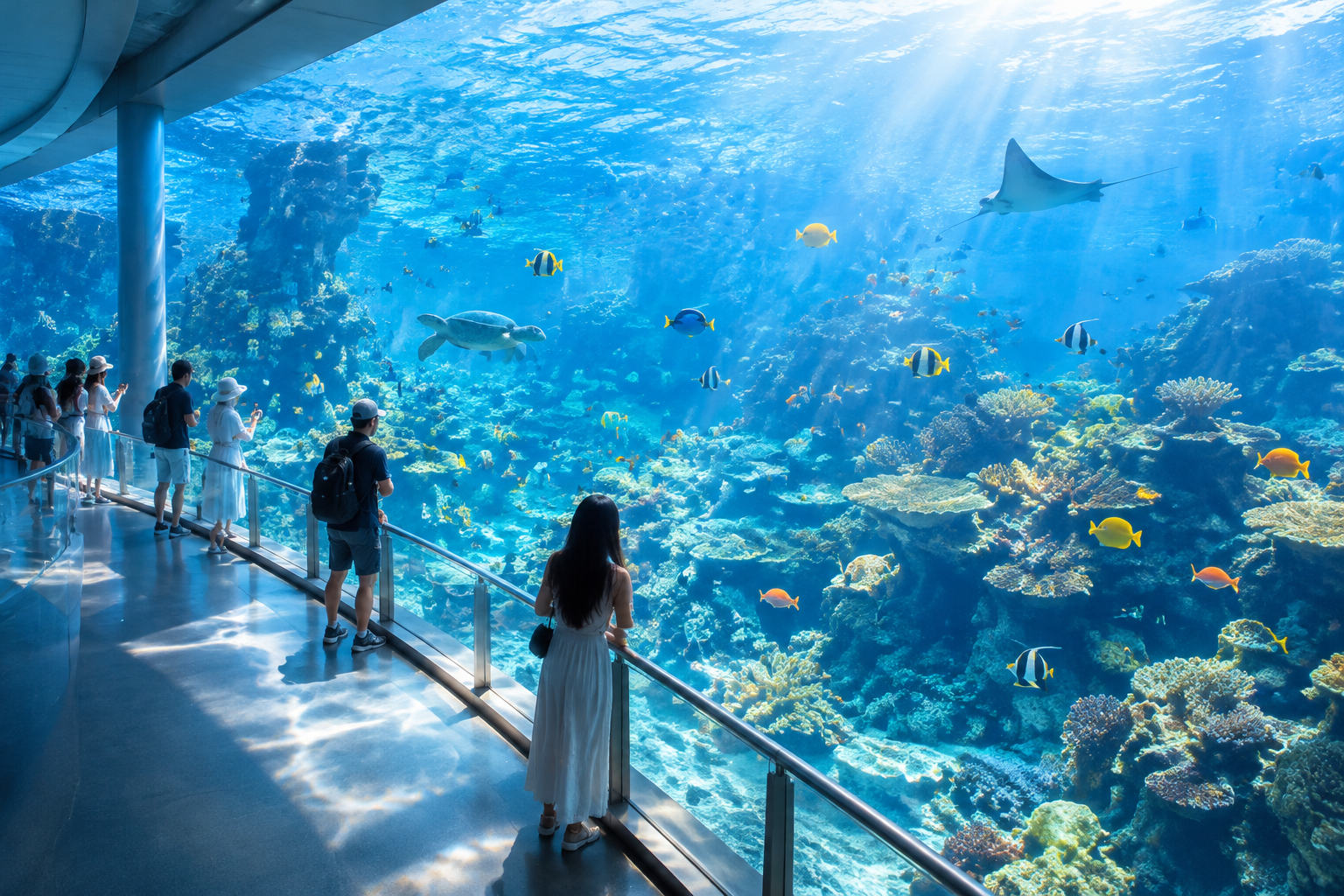
A first visit to a large public aquarium is easier when you treat it as a planned route rather than a wander. Most aquariums are built as a sequence of zones: a shallow-water or touch area near the entrance, large main tanks in the middle, and smaller galleries, tunnels or nocturnal rooms towards the end. Looking at the layout before you go helps you decide which zones matter most to you and which can be seen quickly.
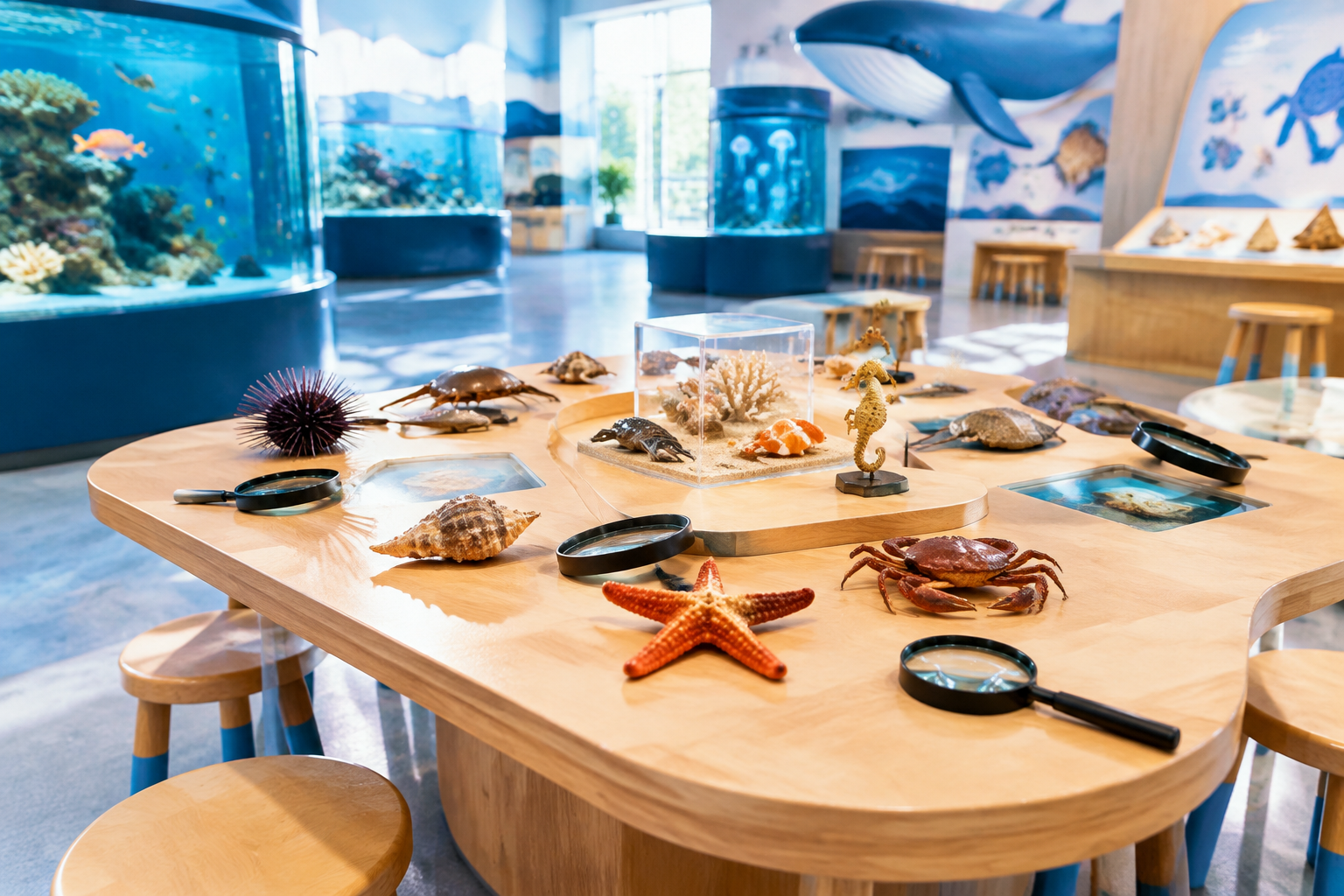
Arriving near opening time usually means smaller crowds in the main tanks and a better chance of seeing feeding sessions, which are often scheduled in the morning. Feeding times, talks and demonstrations change between sites and seasons, so check the operator's current timetable on its official website before you travel. Allow at least two to three hours for a comfortable visit, and longer if you are travelling with young children who want to spend time at the hands-on exhibits.
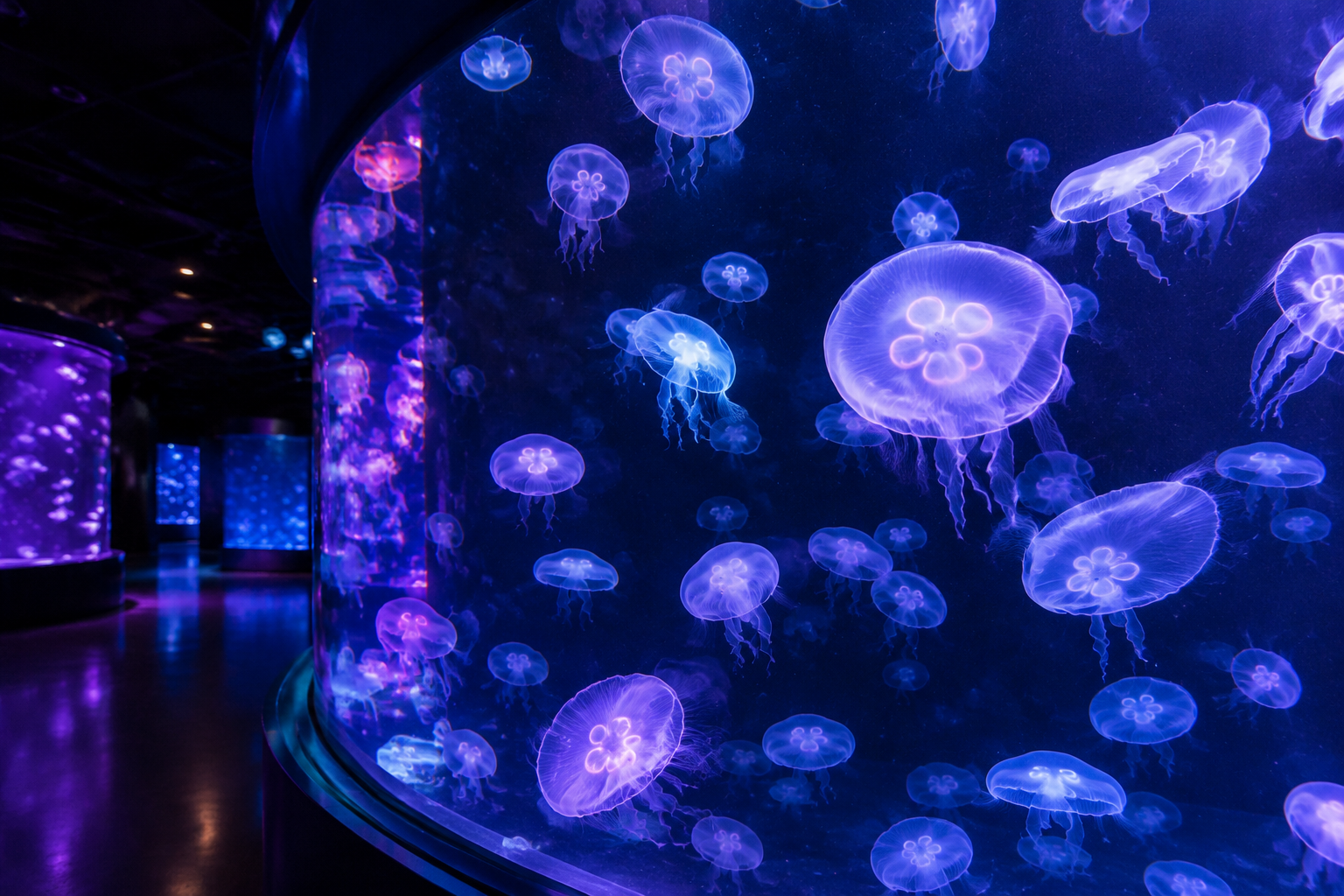
Comfort matters as much as route. Wear flat shoes, since many displays involve long walks on hard floors, and carry a light layer because some indoor galleries and tunnels are kept cool. Dim lighting in tunnels and jellyfish rooms can make phone photography difficult, so set your camera to a higher exposure or simply enjoy the view without a screen between you and the animals.
Finally, consider how you want to use the visit. Some people want a quick overview of the marine life, while others prefer to sit near one tank for twenty minutes and watch the same species change behaviour over time. Both approaches are valid. The most satisfying visits tend to be the ones where the schedule leaves room for one or two unplanned pauses.